A stark warning from Qatar’s energy minister has sent chills through global markets: if the Iran conflict continues without resolution, oil prices could skyrocket to $150 a barrel as Gulf producers are forced to halt production entirely. The warning came as Brent crude was already trading at $91.89 — its highest level since April 2024 — following a week in which prices surged more than 25% from pre-conflict levels.
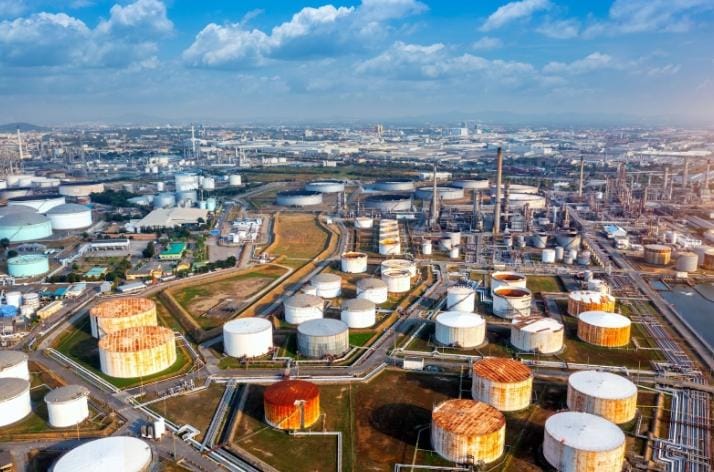
The warning is grounded in a very real and immediate concern: oil storage across the Middle East is filling up. Kuwait has already begun cutting production at fields that have no more room for their output, and energy consultants estimate that Saudi Arabia and the UAE face the same fate within 20 days. A coordinated shutdown of the Gulf’s biggest producers would represent an unprecedented disruption to global oil supply.
The physical reality of such a shutdown is sobering. Restarting oil production after a well has been shut is not a quick process — it typically takes weeks and requires substantial capital investment. This means that even a short-term shutdown, triggered by a temporary storage crisis, could keep millions of barrels of daily production offline long after the underlying problem is resolved, creating a lasting price shock.
Qatar is also wrestling with significant damage to its LNG infrastructure following an Iranian drone strike on a key terminal. As the source of approximately 20% of the world’s LNG exports, Qatar’s difficulties have sent European gas prices to three-year highs. The country’s energy minister said it would take weeks to months to resume full LNG exports even after a ceasefire, compounding the energy market’s woes.
Financial markets reflected the scale of the crisis. Stock indices in Asia, Europe, and the UK fell sharply, with some recording their worst weeks since the pandemic. Airlines warned of massive profit losses, UK rate cut hopes collapsed, and bond yields surged. The US dollar strengthened but gold, paradoxically, fell by around 3.5% — a sign that some investors were moving to cash rather than traditional safe havens.
$150 Oil Warning Issued as Iran War Pushes Crude Above $90 Threshold