

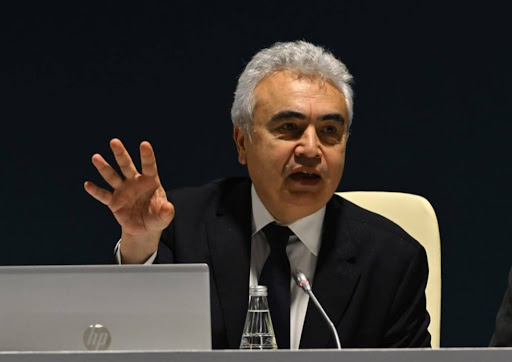
The global energy crisis triggered by the Iran war has the potential to reshape international trade flows for years to come, not just for oil and gas but for the full range of commodities passing through Gulf shipping lanes, the head of the International Energy Agency has warned. Fatih Birol, speaking in Canberra, said the disruption to vital arteries of the global economy — including petrochemicals, fertilizers, sulfur, and helium — went far beyond an energy crisis into a broader trade and industrial emergency. He described the overall situation as the equivalent of the 1970s twin oil shocks and the Ukraine gas crisis combined.
The conflict began February 28 with US and Israeli strikes on Iran and has since led to the closure of the Strait of Hormuz, the world’s most important oil and goods shipping lane. Approximately 20 percent of global oil supply passes through the strait, and its closure has caused immediate supply disruptions across Asia and Europe. At least 40 Gulf energy and industrial assets have been severely damaged, with implications for supply chains that extend well beyond the energy sector.
The IEA released 400 million barrels from strategic petroleum reserves on March 11, the largest emergency action in its history, alongside calls for demand-reducing policies. Birol confirmed that further reserve releases were under consideration and that the IEA was consulting with governments across three continents. He said demand-side measures including remote working, lower speed limits, and reduced flights were being adopted by member governments.
Daily oil losses from the conflict have reached 11 million barrels — more than double the combined total of the 1970s oil crises — while gas losses of 140 billion cubic metres exceed the Ukraine conflict’s impact. Birol warned that if the Hormuz strait remained closed for an extended period, supply chains for fertilizers, petrochemicals, and other Gulf-produced commodities would suffer damage that could take years to repair.
Iran threatened retaliatory strikes on US and allied energy and desalination infrastructure after Trump’s 48-hour deadline expired. Birol met with Australian Prime Minister Anthony Albanese and called for urgent international cooperation. His message extended beyond energy: the Iran crisis, if not resolved quickly, had the potential to permanently alter the geography of global trade in ways that would affect billions of people worldwide.
