

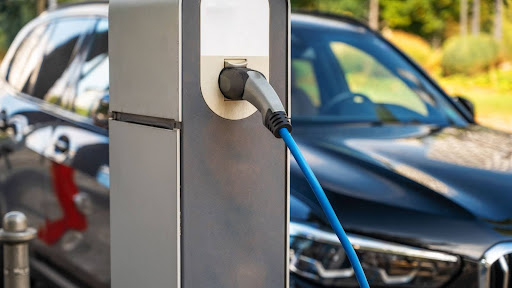
An unexpected side effect of the Iran conflict has emerged on American roads: a measurable surge in consumer interest in electric vehicles. As gasoline prices hit their highest point in almost three years — averaging $3.90 per gallon nationally — growing numbers of car shoppers are investigating whether electric alternatives could shield them from future fuel price swings.
The link between the conflict and pump prices runs through the Strait of Hormuz. After US and Israeli military operations in Iran, the country responded by closing the strait — a bottleneck for roughly one-fifth of the world’s oil trade. That closure has disrupted global oil supply chains, driving crude prices upward and inflating costs for American drivers who depend on gasoline for daily transportation.
Search data collected by CarEdge shows a 20 percent increase in queries for electric vehicles since the conflict erupted three weeks ago. Analyst Justin Fischer noted that the spike appeared almost immediately following news of the strikes, calling it a direct and clear response to changing energy economics. His colleague at Edmunds, Jessica Caldwell, added that gasoline prices have a visceral impact on consumers in a way few other costs do — visible, frequent, and personally felt.
The used electric vehicle market is quietly becoming one of the most accessible entry points into EV ownership. Pre-owned Teslas, Chevy Equinoxes, and Nissan Leafs are now available at prices under $25,000, putting electric transportation within reach of middle-income Americans who were previously priced out. Caldwell said the used EV market has matured to the point where affordable and desirable options genuinely exist.
Hybrid vehicles, which offer improved fuel economy without full dependence on charging infrastructure, are also expected to see a significant sales surge. Toyota models like the RAV4 and Camry Hybrid are positioned well to attract buyers who want gas savings without fully committing to electric. However, broader EV adoption still faces real obstacles in the US, including the rollback of incentives, reduced automaker investment, and lingering consumer concerns about range and charging access.
