

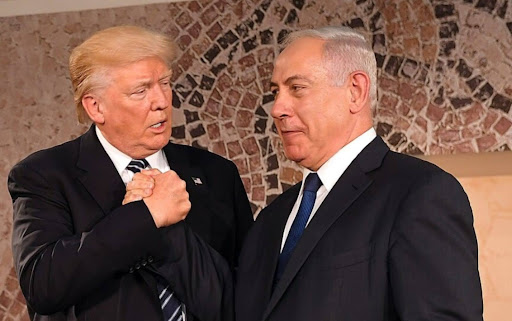
The joint US-Israel war against Iran was supposed to reflect a united front. But recent events have made plain that the two allies are not entirely fighting the same war. US President Donald Trump has maintained from the start that his primary objective is to prevent Iran from developing a nuclear weapon. Israeli Prime Minister Benjamin Netanyahu has articulated a grander vision — the reshaping of the Middle East itself, potentially including the fall of the Iranian government. That difference in ambition has now become too visible to ignore.
The flashpoint came when Israel struck Iran’s South Pars gas field without what Trump described as his approval. “I told him, ‘Don’t do that,'” Trump said at the White House, a comment unusual in its directness about a close ally’s decision. Iran’s retaliation hit energy targets across the region, pushing prices higher and alarming Gulf states already on edge about the escalating conflict.
Netanyahu confirmed that Israel acted independently and agreed not to target the gas field again, but maintained that he and Trump are deeply aligned on the broader mission. He cited Trump as someone who has shared his view of Iran as a global danger, and portrayed the relationship as one of leader and loyal ally. These reassurances helped limit the visible damage — but they did not resolve the underlying disagreement.
Director of National Intelligence Tulsi Gabbard addressed the divergence directly in congressional testimony, saying the objectives of the two leaders are not the same. The US military effort has zeroed in on Iran’s nuclear infrastructure, missile systems, and naval capabilities. Israel’s campaign has gone broader, incorporating high-profile assassinations and destabilization operations targeting the Iranian leadership class.
Trump has also pulled back from suggestions of supporting a popular uprising in Iran, expressing skepticism that unarmed civilians could realistically overthrow their government. “I think it’s a very big hurdle,” he said in a radio interview, adding that he thought Netanyahu would understand that too. As the conflict evolves, how the two governments navigate their different endpoints may determine whether their partnership strengthens or starts to fracture under pressure.
