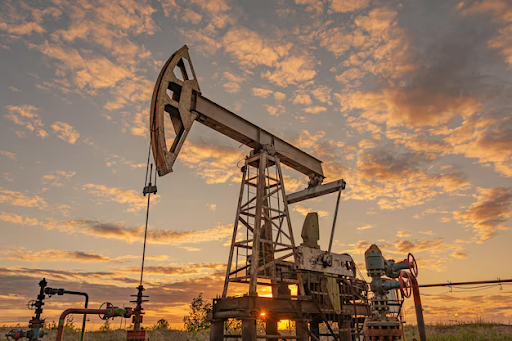
The third week of the US-Israel war against Iran is bringing renewed pressure on US oil prices, with Monday shaping up as another volatile session for energy markets. Petroleum analyst Patrick De Haan has forecast that average gasoline prices could climb to $3.80 or $3.85 per gallon, while acknowledging that $4 fuel remains within reach. The cumulative impact of three weeks of conflict has pushed American fuel costs to levels not seen in years.
Before hostilities broke out on February 28, regular gasoline was selling below $3 per gallon at stations across the country. The national average has since risen by 23% to $3.70, as the war has steadily eroded oil production capacity and disrupted key shipping routes. The speed of this escalation has prompted calls from consumer groups for emergency government intervention.
Among the most significant recent developments was Friday’s US strike on Kharg Island, which processes a substantial portion of Iran’s oil exports. Iran’s retaliatory blockade of the Strait of Hormuz, which carries around 20% of global oil supplies, has further limited available petroleum on world markets. Brent crude reached $106 per barrel in early Monday trading before sliding back to $103, while US crude stood at $94 after briefly hitting $100 on Sunday.
California has emerged as the hardest-hit state, with average pump prices exceeding $5 per gallon and some Los Angeles stations pricing above $8. The trucking and rail sectors face potential diesel costs of $5.05 to $5.15 per gallon. Oil company executives from Exxon, Chevron, and ConocoPhillips have all raised supply concerns with the White House, with Exxon’s Darren Woods warning specifically about the inflationary risk posed by speculative traders.
The stock market staged a modest rally Monday morning as oil prices briefly pulled back, with the S&P 500 gaining approximately 1%. Shares of major oil producers have reached record highs since the start of the conflict, a stark contrast to the financial stress faced by American motorists. The energy crisis is expected to persist as long as the Strait of Hormuz remains closed and military operations continue in Iran.
US Oil Prices May Hit New Highs as the Iran War Refuses to Wind Down