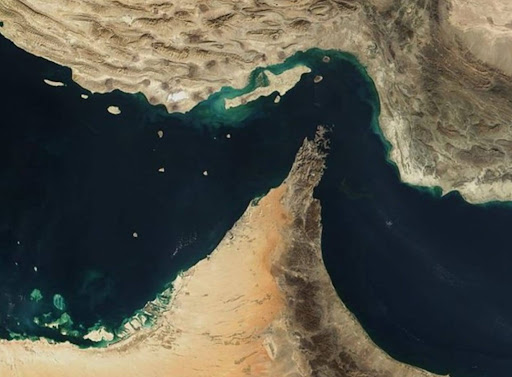
Not a single allied government has pledged to send warships to the Strait of Hormuz despite repeated appeals from US President Donald Trump, leaving the world’s most important oil shipping lane under continued Iranian control. Trump posted on Truth Social calling on the UK, France, China, Japan, South Korea, and other oil-importing nations to dispatch naval forces to the waterway, but each government has responded with deliberate vagueness or polite refusal. The absence of committed naval support leaves the crisis with no clear resolution path.
Iran’s blockade of the strait was launched as a retaliatory measure following joint US-Israeli airstrikes and has since evolved into the largest oil supply disruption in history. One-fifth of global oil exports ordinarily flow through this narrow waterway, and their absence is sending prices sharply upward across international markets. Tehran has declared tankers heading for the US, Israel, or their allies to be legitimate targets that will be destroyed immediately. Sixteen vessels have already been attacked, and Iranian officials have threatened to lay mines across the strategic passage.
France was the clearest voice against intervention, with its defence minister ruling out any naval deployment while the conflict continued. French President Macron’s earlier reference to a purely defensive escort mission was firmly tied to a post-escalation phase. The UK spoke of ongoing discussions and mine-hunting drones as potential tools, without making any military pledges. The EU is considering extending the Aspides naval mission to the strait, though Germany has cast doubt on whether the mission is even effective in its current form, let alone whether expansion would help.
Japan and South Korea — both facing serious economic consequences from the oil disruption — responded with careful, noncommittal language. Japan’s senior politicians said deployment wasn’t legally ruled out but carried a very high threshold. South Korea emphasised its review process and multi-angle analysis before making any decisions. The situation continues to evolve in a way that places enormous pressure on oil-importing nations to either act or absorb the growing economic consequences of continued inaction on the diplomatic and military fronts.
China’s dual role as an Iranian ally and a Gulf oil consumer makes its position uniquely complicated. Beijing has reportedly held conversations with Tehran about safe tanker passage, but no firm agreement has emerged. Chinese embassy officials confirmed Beijing’s intention to facilitate communication and contribute to regional peace, steering entirely clear of any military engagement language. The US energy secretary noted constructive dialogue was underway with several nations, signalling that diplomatic channels remain active even as the military response continues to stall.
No Warships Pledged as World Watches Hormuz Crisis Deepen Under Iranian Pressure